
Beyond the Velvet Rope: BDSM Dating, Connection & Safety in Noble Park (2026)
Look, I’ll be straight with you. Noble Park isn’t some dark, mysterious enclave where shadowy figures in leather congregate under flickering streetlights. It’s my home. It’s yours, maybe. It’s a suburb of strip shops, train lines, and diverse, complicated people trying to figure shit out. Including their sex lives. Especially their sex lives. And in 2026, the conversation around BDSM, dating, and finding a partner who actually gets it has shifted. Moved on. Evolved. It’s less about the latex and more about the logistics, the consent, and the sheer relief of finding someone who wants the same weird, wonderful thing you do.
Victoria, by the way, is a bit of a hub. According to some recent data, we’re sitting on about 6,500 adult industry businesses across the state [citation:3]. That’s not just a number. That’s a lot of people, from here to the CBD, navigating desire in their own way. So, how do you navigate yours, specifically within the kink landscape, without being a tosser about it? Good question. Let’s get into it.
What Does BDSM Dating Actually Look Like in Noble Park Right Now?
In 2026, it looks like a paradox. It’s both hyper-local and totally digital. The old ways—meeting someone at a dedicated club in the city or through a private network of friends—still exist, sure. But the front door for most people now is an app. And not just Tinder, where explaining your interest in, say, rope bondage on a first date can feel a bit… much.
We’re talking about platforms like KINK People or KinkLife [citation:4][citation:10]. These spaces are designed for it. You can put your role (dominant, submissive, switch, curious) right there in your profile. You can list your interests, your hard limits. The guesswork? Drastically reduced. The key, though, is that these apps are just the introduction. The real connection, the one that matters, happens when you bring that digital profile to a café on Douglas Street and see if the chemistry translates. I’ve seen it work. I’ve also seen it crash and burn because people forget that an app can’t negotiate the nuance of a real-life dynamic. It’s a tool, not a solution.
And for those seeking professional connections? The landscape there is shifting too. Escort services in Australia that are kink-aware are becoming more explicit about their offerings, moving away from euphemism toward clear descriptions of power exchange dynamics [citation:3]. This is a good thing. Clarity reduces risk. It means if you’re in Noble Park and searching for a professional Dominant or a submissive partner for a paid session, you can find someone who isn’t just going to go through the motions. They understand the psychology. That’s the 2026 advantage.
Is It Safe? How Do I Spot the Red Flags vs. The Real Deal?
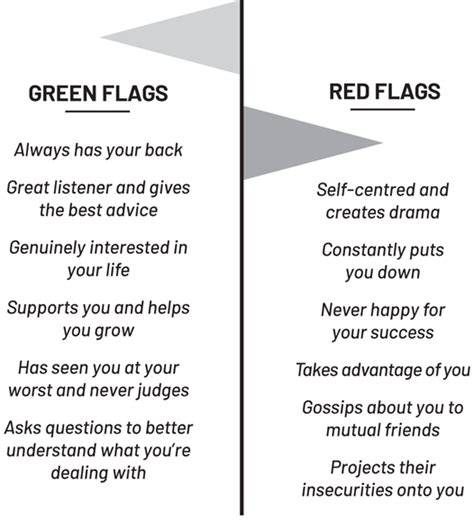
This is the million-dollar question, isn’t it? How do you tell the difference between someone who’s genuinely interested in a consensual power exchange and someone who’s just… well, a bit of a predator using kink as a cover? The American Association of Sexuality Educators, Counselors and Therapists (AASECT) has been running whole workshops on this because it’s that critical [citation:2]. The short answer? Safety in BDSM isn’t about the absence of risk. It’s about the presence of consent.
Real, ongoing, enthusiastic consent. Not a one-time “yes” at the start of the night. We’re talking about a dynamic where you can say “red” or use your safe word—hell, even just say “hold on, I need a minute”—and everything stops. No questions asked, no passive-aggressive sighing. If you bring up a limit and they try to negotiate it away? That’s not a negotiation. That’s a boundary violation waiting to happen. A green flag? Someone who wants to talk about what you like, what you don’t, what aftercare looks like for you, before their trousers are even off. They’re curious about your experience, not just their own script.
In 2026, there’s also a growing awareness of neurodivergent-affirming kink [citation:1]. This is massive. It means creating scenes that accommodate different sensory needs and communication styles. For someone with sensory processing issues, a certain texture of rope or a specific tone of voice might be a hard limit, not because they’re not submissive, but because their brain just can’t process it. A safe partner understands and adapts. An unsafe partner calls you “difficult.” Spot the difference.
Why Is Everyone Talking About “Soft Domming” and “Conscious Kink” in 2026?

You’ve probably seen the term floating around. “Soft domming.” It sounds like an oxymoron, right? Domination is supposed to be harsh, strict, all leather and barked orders. But that’s a stereotype that’s finally dying. In 2026, a significant trend is the move toward what some call “conscious kink” [citation:1]. And soft domming is a huge part of that. It’s not about breaking someone down; it’s about holding them together. There’s been a notable rise in men, in particular, seeking out dynamics that are firm but kind, confident but reassuring [citation:5]. They’re exhausted. Life is a constant performance of strength. In a soft dom dynamic, they find a space where they can hand over control and just… exist. Be told they’re doing okay.
I had a conversation with a guy from Dandenong last month. Successful, fit, ran a team of fifteen people. What did he want from his weekend play? To be told he was a good boy while being firmly but gently restrained. He wanted reassurance, not humiliation. This is the 2026 shift. The fantasy isn’t always about more intensity. Sometimes, it’s about containment. It’s about rest. The world is noisy. Kink, for many, is becoming a space for quiet, structured intimacy.
And “conscious kink” extends beyond just the tone. It’s about viewing the entire arc of a session—from negotiation to the scene itself to the aftercare—as a holistic practice. It’s about mutual growth. It’s asking, “How did that feel for you?” not just, “Was that hot?” It’s a move away from performative, porn-influenced sex toward something that feels genuinely, humanly connective [citation:1].
How Do We Bridge the Gap Between Fantasy and the Suburban Reality?

This is the practical bit. The rubber meets the road, or rather, the rope meets the skin, in a house in Noble Park, not a dungeon in the city. You’ve got neighbours. You’ve got thin walls. You’ve got work in the morning. How does the fantasy survive contact with suburban life?
First, you plan. Not in a boring way, but in a way that respects reality. If you’re planning a heavy impact scene, maybe that’s not the night to have the windows open. Maybe you schedule it for a Saturday afternoon so there’s plenty of time for aftercare and recovery before the Sunday family BBQ. It’s about integrating kink into your life, not letting it blow your life up. The data shows that adult businesses and interests are woven into the fabric of communities right across Australia, from big cities to smaller towns [citation:3]. That means we’re all figuring this out, side-by-side, in our own suburbs. There’s a kind of quiet solidarity in that.
Second, you communicate differently. The kind of communication required for a healthy BDSM dynamic is, honestly, more advanced than what most “vanilla” couples ever attempt. You have to talk about desires that might feel shameful. You have to articulate limits you might not fully understand yourself. Some experts suggest using “I feel…” statements or even creating a list of “acceptable/maybe/never” activities to get the conversation started [citation:6]. It feels clunky at first. It feels clinical. But that clinical clarity is what creates the space for raw, emotional freedom later. It’s the safety net that lets you fly.
Third, you embrace micro-submission and micro-domination. This is a trend for a reason [citation:1]. It’s the idea that you don’t need a full-blown, hours-long scene to experience the dynamic. It can be a text during the day: “I expect you to have thought of me three times by lunch.” It can be him making you a cup of tea exactly how you like it, as a small act of service. These tiny moments weave the power exchange into the fabric of the everyday, making it sustainable. It keeps the connection alive when you’re both too knackered for a full session.
What’s the Deal with Aftercare? Is It Really That Important?
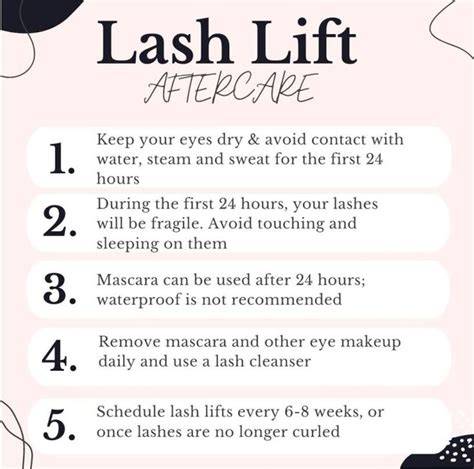
Honestly? It’s non-negotiable. I don’t care if you just had a five-minute session of light spanking or a three-hour scene that pushed every boundary. Aftercare is what separates BDSM from abuse. It’s the period after the intense play where you check in, physically and emotionally. It might be cuddling, it might be a blanket, it might be a glass of water and a conversation about what just happened. It might be someone needing space to come down alone, but with their partner nearby. The key is that it’s a mutual recognition that you’ve just been somewhere intense together, and now you’re back [citation:6].
I’ve seen submissives experience “drop”—a profound emotional low—hours or even a day after a scene, because all those endorphins have crashed. Without aftercare, that drop can feel isolating and terrifying. With it, it’s just a passing cloud. The Dominant can drop too, by the way. That feeling of “did I go too far? Was that okay?” is real. Aftercare is for both of you. It’s the process of reaffirming the connection, of saying “I see you, I value you, and that thing we did? It was play. Our relationship is bigger than that.”
If someone you’re with isn’t interested in aftercare, or rushes it, or makes you feel like you’re being needy for wanting it… run. That’s not a kinkster. That’s someone using kink to take, not to share.
How Do Tech and AI Change the Game in 2026?

There’s a lot of noise about AI replacing everything, including human connection. And yes, AI is transforming adult content. You can generate scenarios, have text-based interactions, all of it [citation:1]. But here’s my take: it amplifies the need for the real thing. It’s like watching a cooking show. It might make you hungry, but it doesn’t fill you up. The more sophisticated AI becomes, the more we crave the messy, unpredictable, warm reality of a genuine human-led dynamic. The slight tremor in a hand, the spontaneous laugh, the smell of skin—AI can’t replicate that. It can give you a map, but it can’t take the journey with you.
We’re seeing this in dating apps too. The platforms are getting better at verification, at creating safer spaces, at using algorithms to match you based on kink compatibility, not just location [citation:4][citation:10]. But they’re also a symptom of a “paradox of choice” culture. The swipe logic can make people feel disposable. “Next.” So, if you’re using tech to find someone in Noble Park, use it wisely. Use it to find a person, not a product. Once you’ve made the connection, put the phone down. Look them in the eye. That’s where the real magic lives.
Finding Your People: Where to Start in and Around Noble Park?
So you’re curious. Maybe you’re new to this, or maybe you’re coming back after a long time. Where do you start, quietly, without putting yourself out there too much?
Start online, but with intention. The apps I mentioned—KINK People, KinkLife—are a solid bet [citation:4][citation:10]. Create a profile that’s honest. You don’t have to list every fetish. Just say you’re exploring, or you’re experienced, or you’re curious about a specific dynamic. Use the features that let you find people nearby. The map function on some of these apps is incredibly useful for finding someone in Noble Park, Springvale, or Dandenong who shares your interests [citation:4].
Then, think about education. Munches are social gatherings (usually in a vanilla setting like a pub) for kinksters to meet and chat. There’s absolutely no play involved. It’s just a chance to meet people, see familiar faces, and get a feel for the community. There are groups that operate out of Melbourne that are very welcoming to people from the suburbs. Find them on FetLife (the Facebook of kink). Go to a munch. Be nervous. It’s okay. Everyone was nervous once.
And for those looking for professional services? Do your research. Look for escorts or professional dominants who are clear about their boundaries, their services, and their rates. Look for someone who emphasizes safety and consent in their advertising. A professional who understands kink will often have resources on their website or blog for newcomers, like the “NEW HERE?” guides you sometimes see [citation:1]. They’re in the business of trust. If their communication feels respectful and clear from the first message, that’s a great sign.
Will it work out perfectly the first time? Probably not. You might have a terrible date. You might meet someone who’s all talk and no skill. You might feel awkward and out of place. But you might also find a connection so deep, so resonant, that it changes how you see yourself. That’s the gamble, isn’t it? That’s the beauty. And it’s happening right here, in Noble Park, in 2026. The velvet rope isn’t guarded by some intimidating gatekeeper. It’s just a line you cross when you’re ready to be honest about what you want.